

Trademarks play a crucial role in the world of branding and commerce, serving as identifiers for goods and services. They help consumers distinguish between different products and maintain the integrity of brands. In this blog post, we will explore the various types of trademarks, including non-conventional trademarks, and delve into their characteristics.
Trademarks are distinctive signs, symbols, or expressions use to identify and differentiate goods or services from those of others. They serve as a source identifier, helping consumers recognize the origin of products and ensuring brand integrity.1
Counterfeiting:
Have you ever thought about the difference between Bisleri, Belsri, Brislei and Bilseri? I encourage you to take a moment to examine the image I’ll attach. Can you spot the differences?
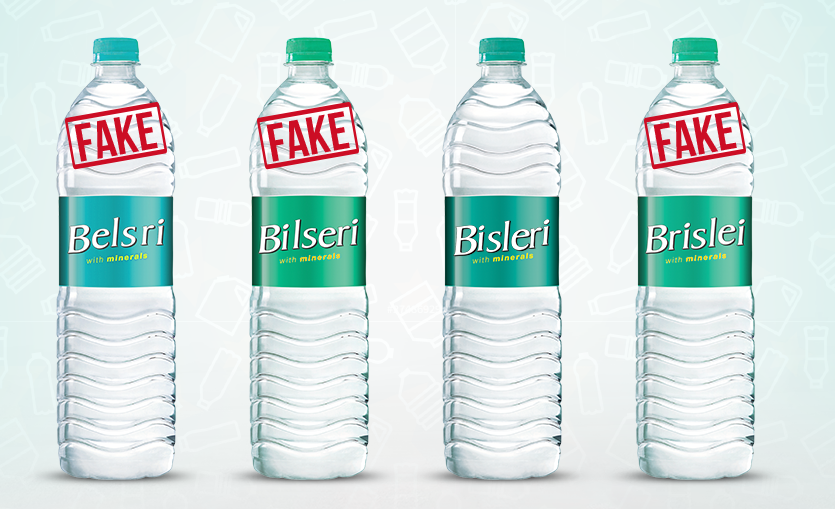
At first glance, Bisleri and its counterfeit counterparts may seem similar, but a closer examination reveals significant differences that can greatly impact your health and safety. While Bisleri is a well-established brand renowned for its quality bottled water, counterfeit products attempt to mimic this original brand. These imitations can often be found in various markets, sometimes even at higher prices than the genuine article. It is crucial for consumers to remain vigilant when purchasing products.
The prevalence of these imitations highlights the importance of understanding trademarks and brand identity. Trademarks serve as a legal safeguard for brands, ensuring that consumers can trust the products they purchase. The concept of trademark is often understand by its types including conventional and non-conventional trademarks—and how they play a crucial role in protecting both businesses and consumers from confusion and deception in the marketplace.
Types of Trademarks:
Have you ever considered the significance of the iconic Cadbury brand? If I were to show you a photo of a Cadbury chocolate bar, what elements would stand out to you that could potentially be registered as trademarks?
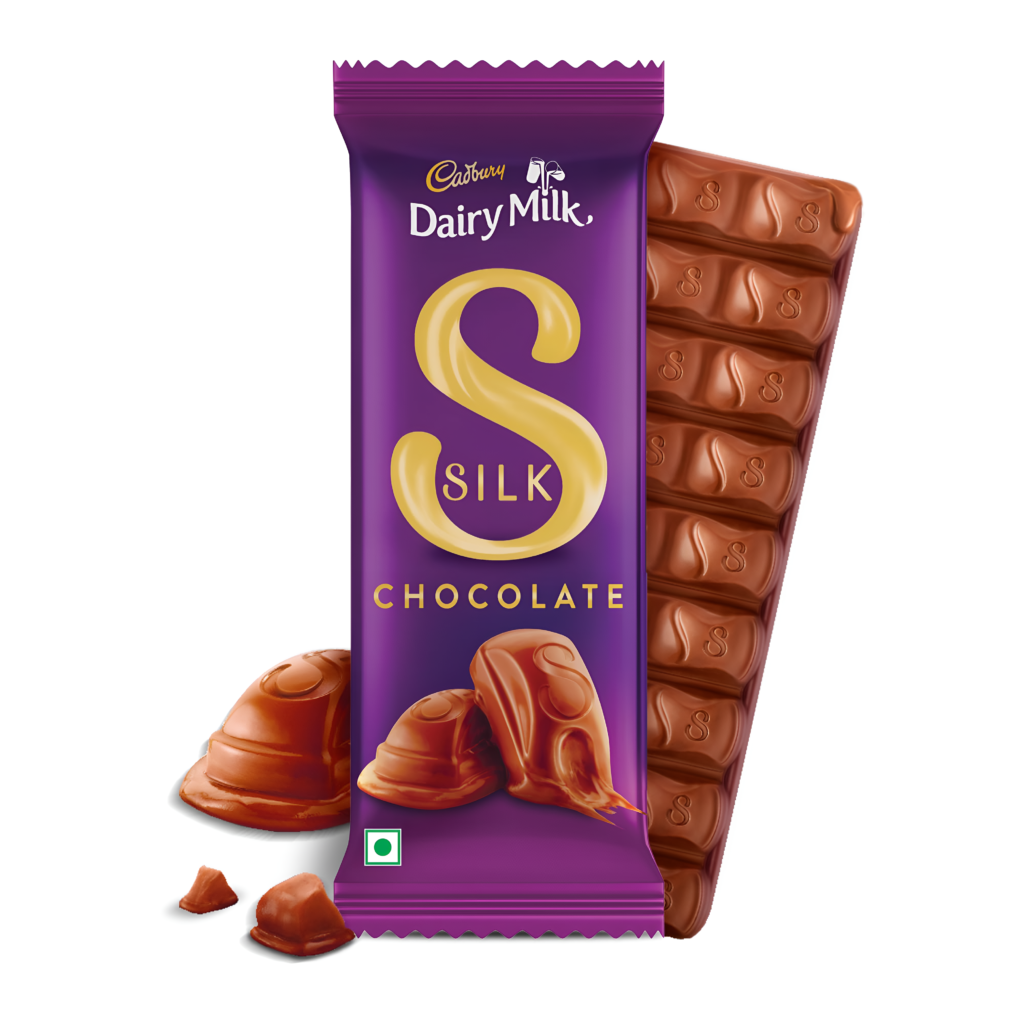
Cadbury has successfully registered various aspects of its branding, which contribute to its strong market presence. Here are some key elements that can be trademarked:
1. Word Marks
The name “Cadbury” itself is a registered trademark. The word mark protects the brand name from being used by other companies in the confectionery sector, ensuring that consumers can easily identify the source of their chocolate.
2. Color Marks
One of the most famous aspects of Cadbury’s branding is its specific shade of purple, known as Pantone 2685C. Cadbury has fought legal battles to protect this color as a trademark for its packaging. The distinctiveness of this color helps consumers associate it directly with Cadbury products, making it an essential part of their brand identity13.
3. Packaging Design
The unique shape and design of Cadbury’s chocolate bar packaging can also be trademarked. This includes the overall layout, graphics, and even the foil wrapping that distinguishes it from competitors.
4. Logo
Cadbury’s logo, which features a distinctive font and design, is another element that is protected under trademark law. This logo is instantly recognizable and plays a crucial role in brand recognition.
5. Scent or Sound Marks
While not commonly associated with Cadbury, other brands have successfully registered scent or sound marks. If Cadbury were to develop a unique scent for its chocolate or a jingle associated with its advertisements, these could also be considered for trademark registration.
6. Shape Marks
The specific design and shape of the Cadbury Silk bar, with its smooth and rounded edges, contribute to its identity. This shape not only enhances the product’s appeal but also helps consumers easily recognize it among competitors. If Cadbury were to seek trademark protection for this shape, it would need to demonstrate that the design is distinctive enough to serve as an identifier of its brand.
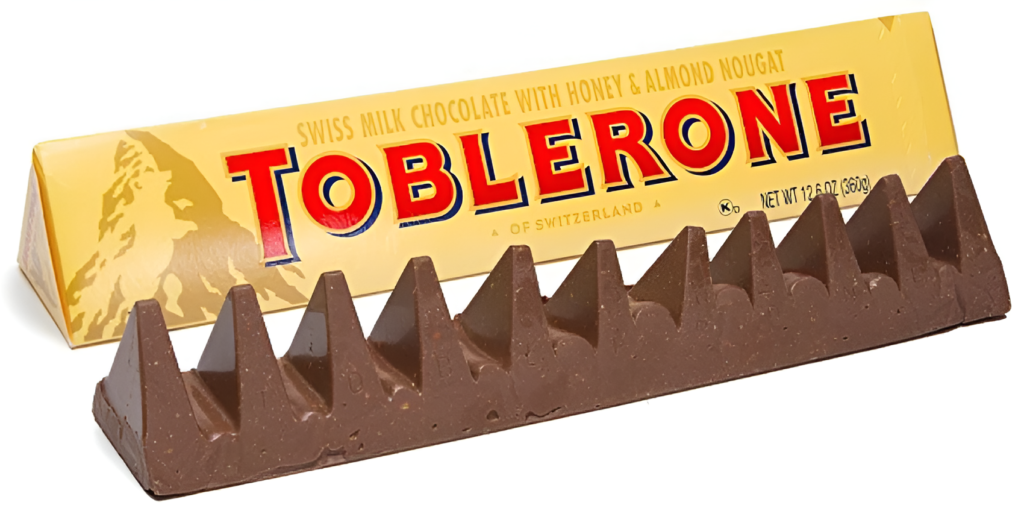
Toblerone has trademarked its iconic triangular shape, which is instantly recognizable and synonymous with the brand. This protection allows Toblerone to maintain its unique market position and prevent imitation by competitors.
Continuing from our discussion about Cadbury and its various trademark elements, it’s essential to understand how these elements fit into the broader categories of conventional and non-conventional trademarks2.
Conventional Trademarks in Cadbury
In the case of Cadbury, several aspects of its branding fall under conventional trademarks:
Word Marks: The name “Cadbury” itself is a classic example of a word mark. This name is not only distinctive but also carries significant brand recognition globally. By registering “Cadbury” as a trademark, the company ensures that no other confectionery brand can use this name, protecting its identity in the market.
Logos: Cadbury’s logo, which features a unique font and design, is another conventional trademark. This logo is prominently displayed on all their products and marketing materials, making it easily identifiable to consumers.
Packaging Design: The design of Cadbury’s chocolate bar packaging is also a conventional trademark. The specific layout, color scheme (notably the iconic purple), and graphics contribute to brand recognition and consumer loyalty.
Non-Conventional Trademarks in Cadbury
While Cadbury’s branding heavily relies on conventional trademarks, it also exemplifies non-conventional trademarks:
Color Marks: As mentioned earlier, Cadbury’s specific shade of purple is a registered color mark. This unique color is instantly associated with Cadbury products and plays a crucial role in distinguishing them from competitors. The protection of this color as a trademark prevents other brands from using a similar shade in their packaging.
Shape Marks: If Cadbury were to create a uniquely shaped chocolate bar or packaging (for instance, a distinctive heart shape for Valentine’s Day), this could qualify as a shape mark. Such shapes help consumers identify the product at a glance and can be protected under trademark law if they are distinctive enough.
Sound Marks: While not currently associated with Cadbury, if the brand were to develop a catchy jingle or sound that plays in their advertisements or when you open their packaging, that sound could potentially be registered as a sound mark.
Conclusion
In today’s competitive marketplace, trademarks play a vital role in establishing and protecting brand identity. From conventional trademarks like word marks, logos, and packaging designs to non-conventional trademarks such as color marks, sound marks, and unique shapes, each element contributes to a brand’s identity and consumer trust.
Trademarks serve as a beacon for consumers, guiding their purchasing decisions and ensuring that they can easily identify the products or services they know and love. For brands, trademarks provide a shield against imitation and infringement, allowing them to cultivate their unique identities in a crowded marketplace.
The impact of trademarks extends beyond mere recognition; they foster loyalty and establish a connection between consumers and brands. A strong trademark can evoke emotions, convey quality, and create lasting impressions that influence consumer behavior. As we’ve explored throughout this blog, understanding the nuances of both conventional and non-conventional trademarks empowers businesses to strategically protect their intellectual property while enhancing their market presence.
As you reflect on the significance of trademarks, consider how they shape the landscape of commerce for both brands and consumers alike. By investing in trademark protection, businesses can not only safeguard their innovations but also contribute to a fairer marketplace where consumers can make informed choices with confidence. In an ever-evolving world, the importance of trademarks will only continue to grow, making them an indispensable asset for any brand committed to success.
- https://blog.ipleaders.in/what-is-a-trademark/ ↩︎
- https://trademarkfactory.com/comparing-conventional-and-non-conventional-trademarks ↩︎
About The Author
