

Introduction
In today’s competitive business landscape, establishing a strong brand identity is crucial for success. One of the key components of this identity is a trademark—a unique symbol, word, or phrase that distinguishes your products or services from those of others. Trademark registration is not just a legal formality; it’s a vital step in protecting your brand and ensuring that you maintain exclusive rights to your intellectual property.
In India, the process of trademark registration offers businesses the assurance of legal protection against infringement, enhances brand recognition, and adds significant value to your business. Whether you are a startup looking to carve out your niche or an established company seeking to safeguard your brand, understanding the intricacies of trademark registration is essential. In this blog, we will explore the importance of trademarks, the registration process in India, and key considerations to keep in mind. Let’s dive into the world of trademarks and discover how they can empower your brand!
1. What is a Trademark?
A trademark is a sign capable of distinguishing the goods or services of one enterprise from those of others. It can take various forms, including words, logos, shapes, colors, and sounds. For instance, the iconic swoosh of Nike or the golden arches of McDonald’s are examples of trademarks that evoke strong brand recognition.
There are several types of trademarks, such as:
- Word Marks: Brand Names or Slogans
- Logos: Graphic designs representing the brand
- Service Marks: Trade marks for Services instead of goods
- Collective Marks: Used by members of a collective group
2. Why Register a Trademark?
Registering a trademark provides several advantages:
- Legal Protection: It grants exclusive rights to use the trademark, preventing others from using a similar mark that could confuse consumers.
- Brand Value: A registered trademark enhances your brand’s value and can be a vital asset during mergers or acquisitions.
- Licensing Opportunities: A registered trademark can be licensed or franchised, creating additional revenue streams.
- Easier Legal Recourse: Registration simplifies the process of taking legal action against infringers.
3. Eligibility for Trademark Registration
Not everyone can register a trademark. Here are the eligibility criteria:
- Who Can Apply: Individuals, companies, and legal entities can apply for trademark registration.
- What Can Be Trademarked: Trademarks can include words, logos, and even sounds associated with goods or services.
- Conditions for Eligibility: The trademark must be distinctive, not merely descriptive of the goods or services, and should not conflict with existing registered trademarks.
4. The Trademark Registration Process in India
The trademark registration process in India consists of several steps:
Step 1: Conduct a Trademark Search
- Before applying, it’s crucial to conduct a search to check for existing trademarks that may be similar. This helps avoid potential objections and legal disputes.
Step 2: Filing the Application
- Submit Form TM-A along with necessary documents (ID proof, business registration, etc.) and pay the required application fee, which varies based on the type of applicant (individual vs. business).
Step 3: Examination by the Trademark Office
- The Trademark Office examines the application for compliance with legal requirements. They may issue objections under section 9 and 11 of the Trade Marks Act, which the applicant must address.
Step 4: Publication in the Trademark Journal
- If accepted, the trademark is published in the Trademark Journal. This allows third parties to oppose the registration within a specified period (usually 4 months).
Step 5: Registration and Issuance of Certificate
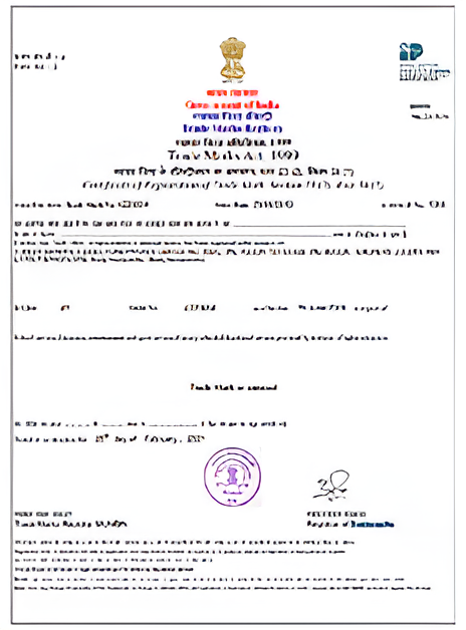
- Third parties may oppose your application. If no opposition is filed (or if resolved), the trademark is registered, and a registration certificate is issued, providing legal protection.
5. Duration and Renewal of Trademark
A registered trademark in India is valid for ten years from the date of application and can be renewed indefinitely for subsequent ten-year periods. It’s important to keep track of renewal dates to avoid losing trademark rights. Renewal involves filing Form TM-R and paying the required fee.
6. Importance of Trademark Enforcement
Once registered, it’s essential to monitor for infringement. Taking action against unauthorized use is crucial to maintaining the strength of your trademark. Legal options include:
- Sending cease-and-desist letters.
- Filing lawsuits against infringers.
Conclusion
Trademark registration is an invaluable tool for protecting your brand and ensuring that your business stands out in a crowded market. By understanding the registration process and being aware of the potential challenges, you can safeguard your intellectual property effectively. Whether you’re launching a new product or looking to strengthen your existing brand, now is the time to consider trademark registration. Take the first step towards securing your brand’s future today!
About The Author
