
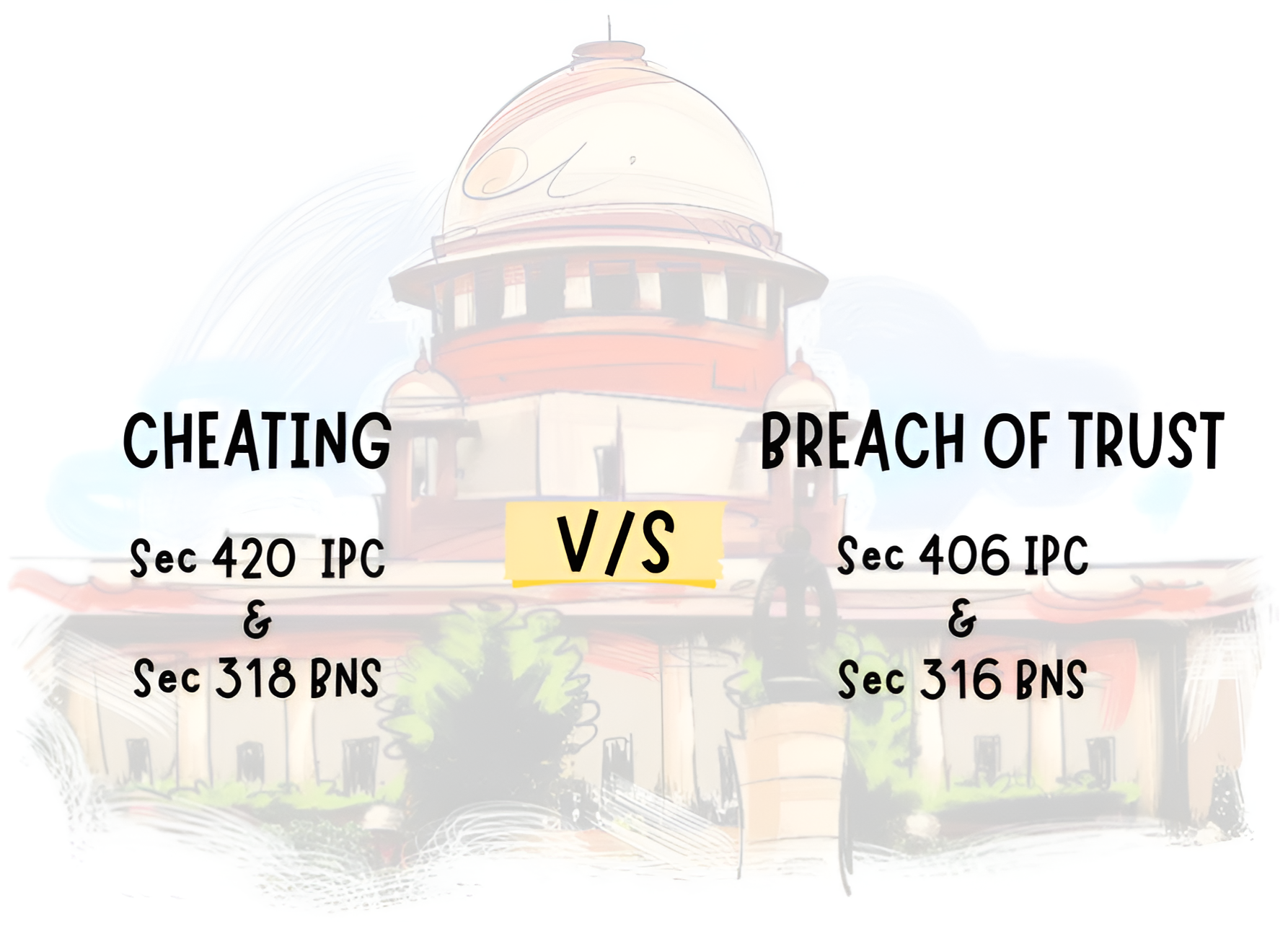
The Hon’ble Supreme Court of India delivered a landmark ruling in the case of Delhi Race Club (1940) Ltd. & Ors. v. State of Uttar Pradesh & Anr. [1] The Court emphasised that charging both criminal breach of trust[2] and cheating[3] – inherently contradictory offences and cannot occur simultaneously in the same situation. The Court further noted ‘Sad that even after years, Courts do not understand the fine distinction’.
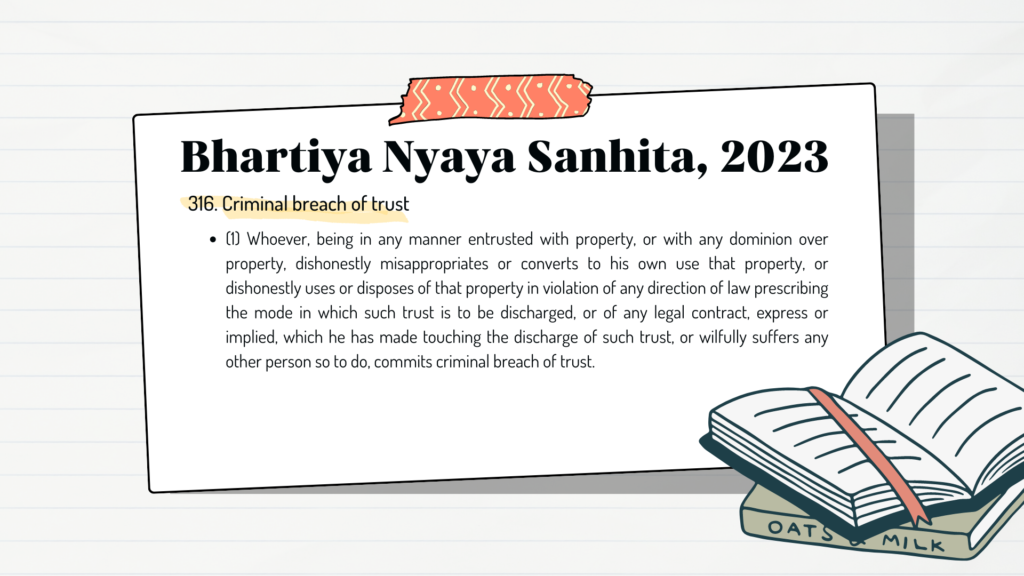
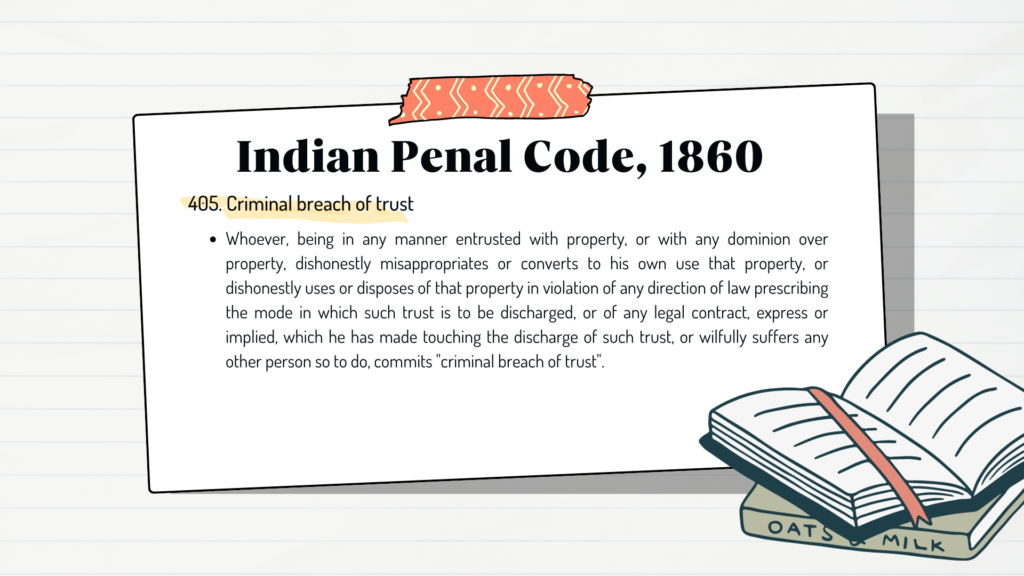
Facts of the Case
Vipin Kumar Agarwal, the owner of Agarwal Udyog, filed a private complaint against the Delhi Race Club (1940) Limited and its officials, alleging violations of Sections 406, 420, and 120-B of the Indian Penal Code (IPC). The complaint was filed on non-payment of an outstanding sum of Rs. 9,11,434 for grains and oats supplied to the Club for feeding its horses.
The Trial Court initiated an inquiry under Section 202 of the Code of Criminal Procedure (CrPC) after recording statements from the complainant. Based on the inquiry, the court issued a summoning order for the offence under Section 406 IPC, indicating a prima facie case of criminal breach of trust.
The Club and its officials subsequently sought to quash this summoning order through an application under Section 482 of the CrPC in the High Court. However, the High Court dismissed their petition, asserting that there was sufficient evidence suggesting mala fide intent on the part of the Club to withhold payment.
Analysis & Observation
The Court raised significant concerns regarding the practice of police officers mechanically registering First Information Reports (FIRs) for offences like cheating and criminal breach of trust. The Division Bench criticized this approach, emphasizing that it often occurs without a proper application of mind to the specific circumstances of each case.
The Court specifically pointed out that the High Court’s order in this matter exemplified a lack of thoughtful consideration. Although the complaint involved allegations under Sections 406, 420, and 120-B of the Indian Penal Code (IPC), the Trial Court chose to proceed only with the charge of criminal breach of trust under Section 406. This selective cognizance led to questions about the thoroughness of legal scrutiny.
The Court reiterated that “issuance of summons is a serious matter and, therefore, should not be done mechanically and it should be done only upon satisfaction on the ground for proceeding further in the matter against a person concerned based on the materials collected during the inquiry.”.
Moreover, the Court clarified that the IPC does not provide for vicarious liability for office bearers of a corporate body, such as the Secretary and President of the Club in this case. It stated that if a corporate entity is accused of an offence, individual office bearers can only be implicated if there are direct allegations against them. The Court underscored that statutes must explicitly outline provisions for vicarious liability; otherwise, it cannot be assumed.
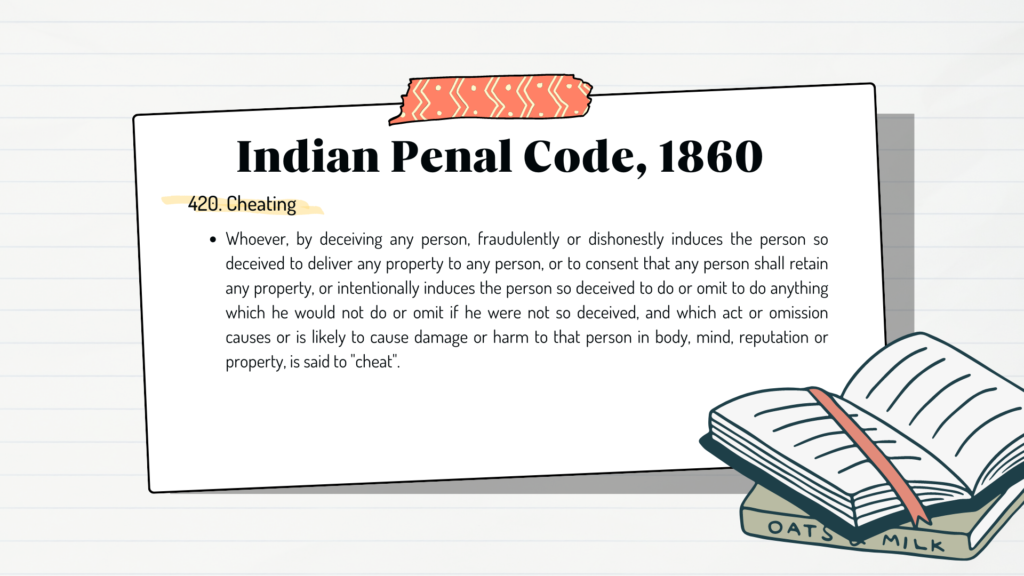
Criminal breach of trust v/s Cheating
The Supreme Court clarified the distinctions between the offences of criminal breach of trust and cheating, referencing the case of S.W. Palanitkar v. State of Bihar [(2002) 1 SCC 241]. The Court highlighted the specific ingredients required to establish each offence under the Indian Penal Code (IPC).
| Criteria | Criminal Breach of Trust | Cheating |
| Entrustment | Must involve entrustment of property | No requirement for prior entrustment |
| Dishonesty | Misappropriation or misuse after entrustment | Deceptive act must occur from inception |
| Intent | Dishonest intention arises after entrustment | Dishonest intention present at inception |
| Legal Relationship | Exists between parties | Not necessarily required |
| Examples (Example: A person, Ravi, lends his laptop to his friend, Suresh, for a week.) | Criminal Breach of Trust: If Suresh sells Ravi’s laptop instead of returning it, he has committed criminal breach of trust. Suresh was supposed to take care of the laptop but misappropriated it for his own benefit. | Cheating: If Suresh pretends that the laptop is broken and convinces Ravi to sell it to him at a low price, intending to keep it for himself, he has committed cheating. Here, Suresh deceived Ravi from the beginning to gain something of value. |
In the present case, the Court clarified the differences between mere breach of contract and the offenses of criminal breach of trust and cheating. It emphasized that, in instances of cheating, the accused’s intention at the time of inducement is crucial. This intention can be evaluated through the accused’s subsequent conduct, but such conduct is not the only factor in determining guilt. A simple breach of contract does not warrant criminal prosecution for cheating unless there is clear evidence of fraudulent or dishonest intent from the start of the transaction.
The essence of the offense lies in this intent. Conversely, for a criminal breach of trust to occur, the accused must have been entrusted with property or have dominion over it. Importantly, the property involved must belong to someone other than the accused, or the beneficial interest in it must be owned by another person. Understanding these distinctions is key to navigate legal claims involving contract breaches and trust violations.
The Court in the present case has clarified the differences between cheating and criminal breach of trust, emphasizing that these two offenses are distinct and cannot occur simultaneously in the same situation.
Cheating involves deceiving someone to induce them to part with property or take action they wouldn’t have taken otherwise. This requires a fraudulent intent right from the beginning of the act. However,
Criminal Breach of Trust occurs when a person is entrusted with property and then dishonestly misappropriate it. The key aspect here is that the property was lawfully entrusted to the individual before it was misused.
Conclusion
This judgment clarifies the distinction between cheating and criminal breach of trust, emphasizing that the absence of property entrustment invalidates claims of breach of trust. The court highlighted that disputes over unpaid goods should be resolved through civil suits rather than criminal complaints, particularly in cases where the essential elements of cheating are not met.
This judgment serves as a crucial reminder of the need for precise legal interpretations to prevent misuse of the law. As India navigates updates to its criminal legislation, effective training for law enforcement is essential to ensure they accurately apply these distinctions. Such clarity will not only enhance judicial integrity but also strengthen public confidence in the legal system.
[1] 2024 SCC OnLine SC 2248. Delhi Race Club (1940) Limited v. State of Uttar Pradesh, Criminal Appeal No. 3114 of 2024
[2] Sec 405 of the Indian Penal Code, 1860 [Sec 316 of the Bhartiya Nyaya Sanhita, 2023]
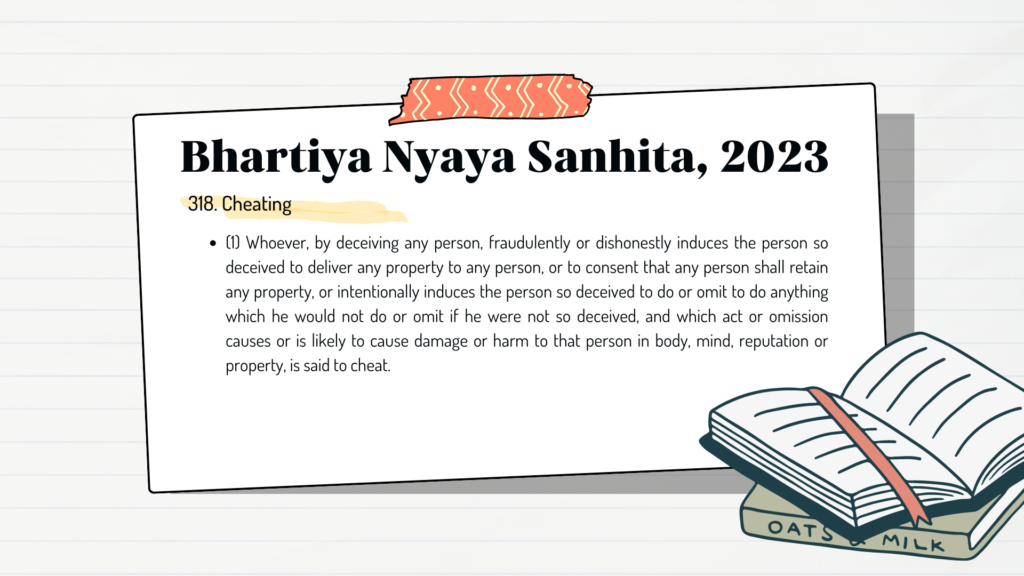
[3] Sec 420 of the Indian Penal Code [Sec 318 of the Bhartiya Nyaya Sanhita, 2023]
About The Author
